
The
Citizen Assembly
Initiative
First
What Is It About?
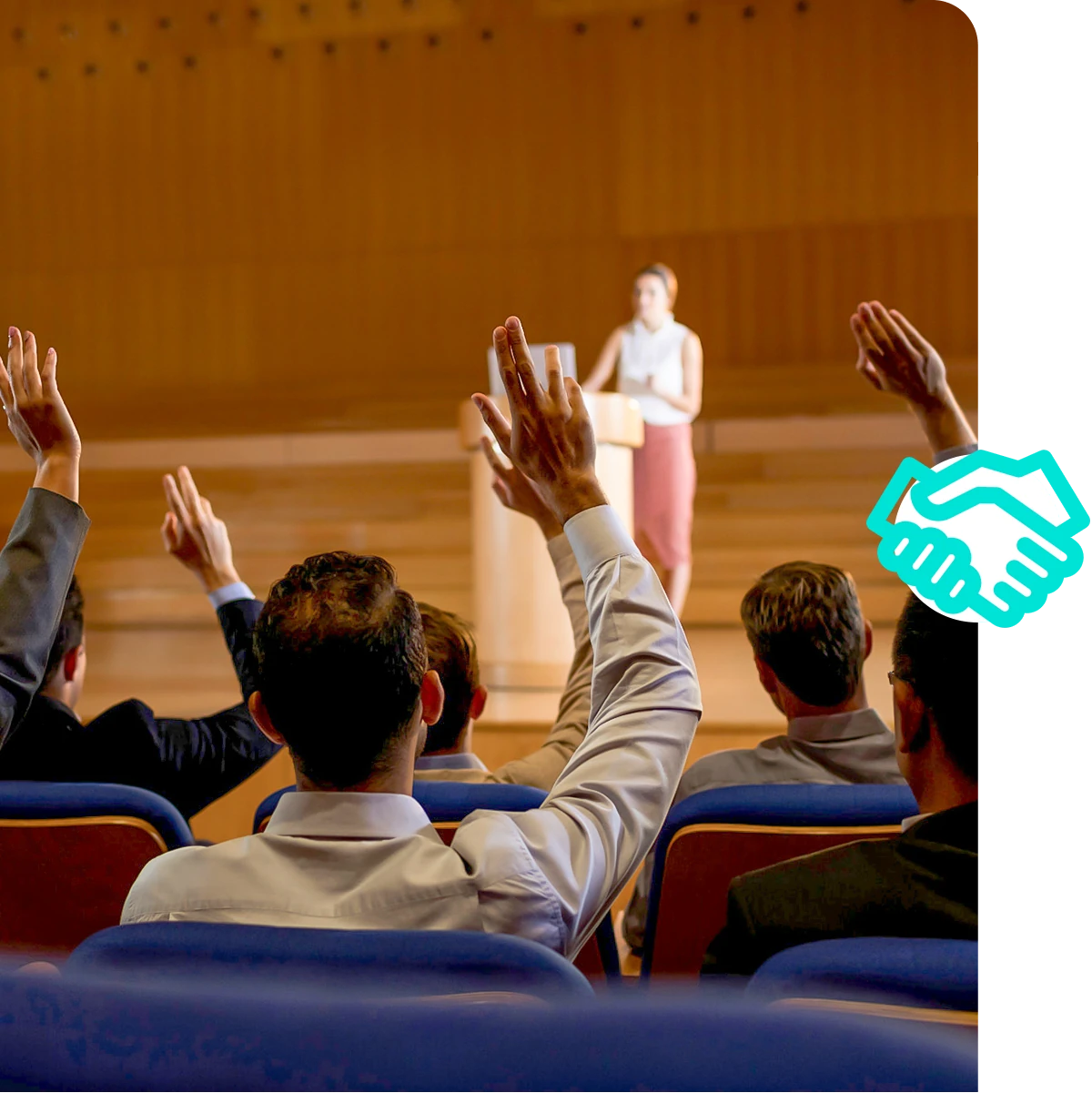
The Citizen Assembly is an initiative to model or pilot or, in other words, demonstrate a new form of national assembly.
In this new form of national assembly:
- Citizens lead the debates, instead of members of Parliament or Congress only. That is, ordinary citizens, experts and professors, activists and so on — any person or groups of persons with an interest in an issue or a solution for the state in the form of law, policy or system — can propose and debate such issues at the Assembly. It is an open and fair system that ensures everyone, and any expert, can work together, regardless of background or affiliation, for the interest of the country, without overwhelming the Assembly with numbers.
- Debates are structured according to the new QFA debate format designed to ensure more intellectual and cooperative debates. This is to say, it ensures debating parties, on the floor of debate, work towards understanding each other and unearth brilliant solutions for the country, instead of the usual political bickering, adversariness and games which characterize current systems (and which are NOT altogether unavoidable, as is often perceived today, as we now demonstrate with our system).
- Representatives (who are called "speakers") in the Assembly mostly sit back and listen to the proposals debated by citizens or interest parties in general, and vote for what their people (from their district) demand.
- The Assembly is completely "non-partisan" in the sense that mass party politics is prohibited in this system; thereby solving many other problems of politics today.
This system or form of national assembly works, and is meant to REPLACE our current Parliament or Congress, for a brand-new approach to governance and politics that truly cares for society and the people, and for a new future for our country and the world.
This is why we are implementing it, to demonstrate it, for people to see how it works, to test it and consider adopting it into our constitution as the design of our formal state or national assembly, once we see the results. And it needs YOU to make it work.

Ultimately, this is working
Towards True Democracy
The Citizen Assembly is helping us take the first steps towards making democracy real in the world.
That sounds preposterous, but The Tragedy Called Democracy in the 21st Century (2023) book explains, in great detail, why what most countries have practiced to date is NOT real democracy.
A real democracy, even if it is an indirect or representative one, retains power or control over the direction of the state, at all times, with citizens. Citizens must truly manifest themselves to be the ultimate power in control of the state, for it to be a true democracy; not just through cosmetic elections every four years, to merely give the illusion of "power" to citizens, while leaving them totally helpless against politicians or a supposed "ruling class"most of the time.
The Citizen Assembly is now implementing one of first and core means by which citizens can be kept in control, even in a representative system. This is because, in this system, citizens don't only determine what law or policy is debated in the first place.
In this system, citizens, even with their district speakers (i.e. representatives) in the Assembly, still CONTROL what is voted at the Assembly, by controlling what their speakers (i.e. representatives) vote, at all times, AS AND WHENEVER necessary.
Why not just make it direct democracy then?
This system remains representative because representation is a necessary layer, to abstract away from the people, the frequent, boring and tedious task of law and policy analyses or appraisal, into the hands of competent elected officials. The important thing here, however, is that this system, by its design, also forces district speakers to faithfully perform their functions truly as representatives, by legally MANDATING them to:
- Effectively brief or educate people of their district on issues currently being heard at the Assembly; and
- Where these issues interest the citizens, to vote, ON EACH ISSUE, according to demands or instructions of the people of their district.
In short, in this system, speakers (i.e. representatives) at the Assembly are controlled, not by their political party (as these do not exist in this system), but by THE PEOPLE of their district, ensuring a truly representative system that cares for society and its people.
Part of a Wider Design or Set of Reforms
This new design of a national assembly (which the Citizen Assembly is modelling or demonstrating) is a major foundation and steppingstone, towards creating a true democracy. However, the new assembly institution is only one of a wider set of institutional reforms needed to create a full, truly democratic, system. Most of these solutions or systems have already been worked out, at The Future of Governance (tfog.org), and what we are doing is taking the first primary institutional reform proposed (towards creating a true democracy) to test it out for our society.
More than one assembly
Local and Global Assemblies
The Citizen Assembly is not limited to one country. We (i.e. most countries) have shared problems requiring shared solutions.
Each country has its own Citizen Assembly to discuss national issues and lead the country's transition to a true democracy, while we also have the World Citizen Assembly comprised of representatives of each country's Citizen Assembly, to discuss and resolve international or global issues.

First, the Assembly's
Function:
To get citizens together to propose, debate and design law, policy, structures and systems for the country and the world at large.
Unique Approach:
- Uses an Open Assembly Scheduling System to allow more inclusive and non-partisan sourcing of expertise.
- Uses the QFA debate format, to ENSURE more intellectual and cooperative debates for solutions-oriented, healthy, discourse.
- Speakers (i.e. reps) are controlled by their district people.
- There are no mass political parties nor, thus, toxic politics etc.
NOW, while the Citizen Assembly does not have the constitutional power to implement its resolutions, the GOALS of the Assembly are:
1.
System
Change
To cause the adoption of its modelled system, which will, moving forward, transfer POWER to citizens, to enable them to decide law and policy and, at all times, the direction of the country, by themselves, without being played by politicians.
2.
Community
Activism
To, in the meantime (i.e. prior to constitutional change), also solve persistent social problems through crowdsourced expertise and a push for implementation of such solutions through civil or community pressure.
Activism without power or authority is only the begging and constant petition and protest of those WITH THE POWER to do what we want; appealing or relying on their discretion or listening. This is NOT citizen power but the age-old citizens as subjects; and shifting between two camps or fixed kingmakers (i.e. political parties) does not change this.
This is a travesty that has been sold, for centuries, as "democracy," when it is not.
The goal now is to shift POWER constitutionally into citizens' hands, finally, to be able to manifest what society wants, when we want, without constant begging and protest, nor the political games and deceit we are eternally subject to.
To achieve the above goals, the Assembly's OBJECTIVES are split into two camps:
1.
For the goal of System Change, the Assembly functions as a pilot, with objectives to:
- Prove or verify the effectiveness of the
- QFA debate format in creating more intellectual and cooperative debates.
- Open Assembly Scheduling System in allowing more inclusive and non-partisan legislation or governance.
- Inspire at least 1 million citizens to seek or demand a QFA-driven open State Assembly through constitutional reform.
- Derive early lessons to improve, where needed, the design of the
- QFA debate format.
- Open Assembly Scheduling System.
2.
For solving social problems, the Assembly functions as a forum and CSO, with objectives to:
- Multiple persistent social problems, including corruption and international conflict, identified by the community.
- At least 90% of problems identified successfully and agreeably resolved (as draft law etc.) by the community.
- Solutions endorsed or signed by a community of at least 500,000 strong, directly or through representatives.
- At least 50% of resolutions implemented or adopted by the state or lawful authorities.
- At least 90% of implemented resolutions producing expected results.
What are the
Results So Far?
From our research, and monitoring and evaluation studies
Meet the
Special Council
- World Citizen Assembly

Chiderah Beulah Ojukwu
General Secretary
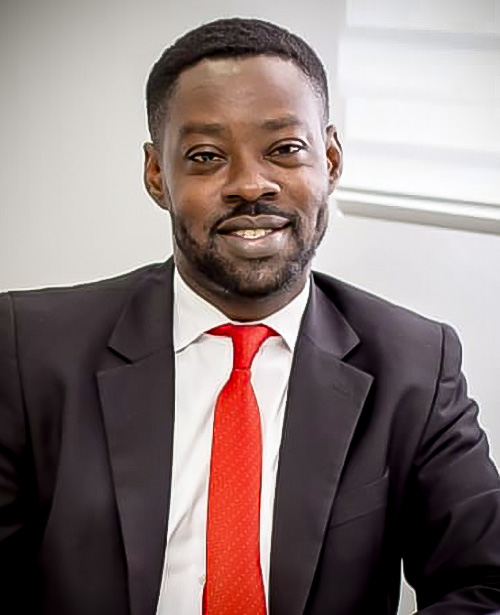
Kwesi Dadzie-Yorke
Chair
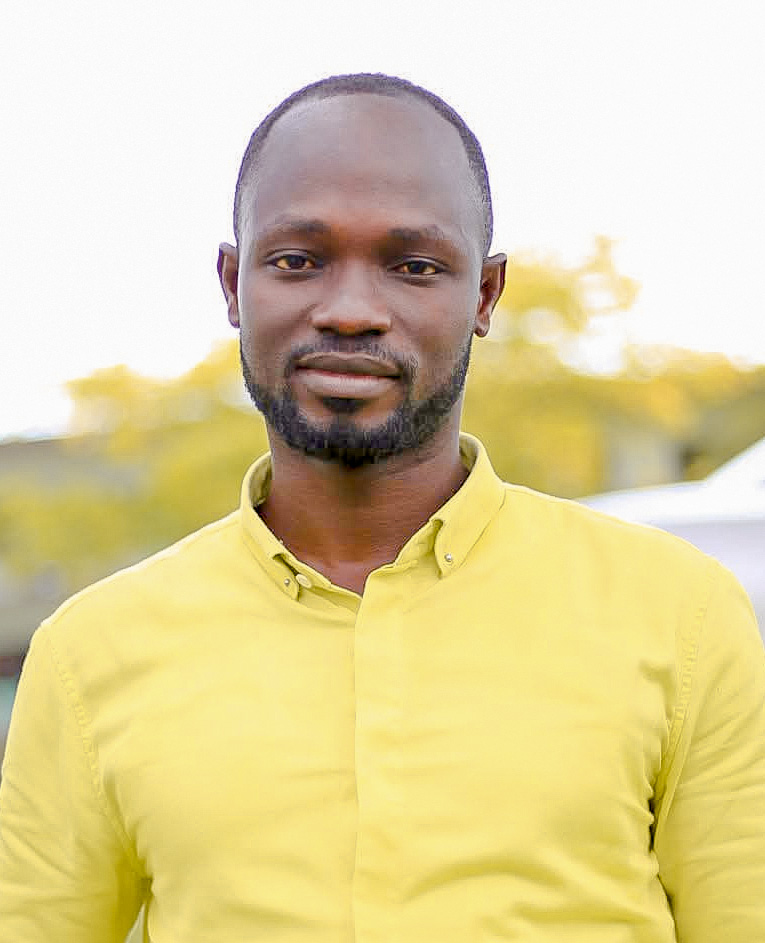
Francis Agyekum Kwame
Member
About the Society Organisation
The Citizen Assembly is an initiative of the Magna Conventus LBG, a registered non-profit society organisation in Ghana. It is fully democratic, so leadership is open to YOU. Take charge.